सामग्री पर जाएं

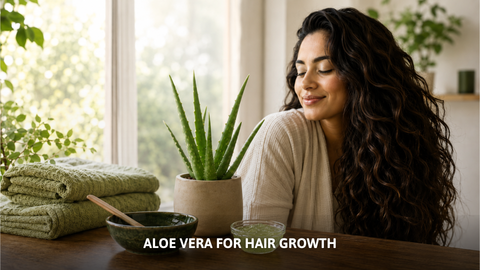
We’ve all been there, staring at a bottle of expensive, chemical-laden hair care product and wondering if there’s a simpler, more natural way to get that healthy, vibrant mane we’ve always wanted. If you’ve ever looked at the aloe vera plant sitting on your windowsill and wondered, "Can this actually help?" the answer is a resounding yes.
Using aloe vera gel for hair growth is one of those timeless beauty secrets that has finally gotten the attention it deserves. But what does science actually say, and how does it fit into the ancient wisdom of Ayurveda? Let’s break it down in a way that’s easy to understand.
What Science Says About Aloe Vera Gel Benefits for Hair
From a scientific perspective, aloe vera is far more than just a soothing gel for sunburns. It is packed with 75 potentially active constituents, including essential vitamins (A, C, E, and B12), fatty acids, amino acids, and enzymes.
Here is why your hair might love it:
- Scalp Health: Aloe vera has natural anti-inflammatory, antibacterial, and antifungal properties. It helps calm irritation, fight dandruff, and balance the scalp’s pH, creating an ideal environment for hair to thrive.
- Deep Cleansing: It gently clears away excess sebum (oil) and product buildup without stripping your hair of its natural moisture, acting like a detox for your scalp.
- Boosting Circulation: Massaging the gel into your scalp can help stimulate blood flow, which in turn delivers more nutrients and oxygen to your hair follicles.
- Repair and Protection: Rich in vitamins A, C, and E, it helps improve hair elasticity and reduce breakage, leaving hair shinier and softer.
While it isn't a magical cure for genetic hair loss, it is a fantastic supportive treatment for thinning caused by stress, poor scalp health, or product buildup.

The Deep Dive: Chemical Properties of Aloe Vera Gel
To truly understand how aloe vera transforms your hair, we have to look closely at its bioactive composition. It isn't just water; it is a complex biochemical powerhouse.
- Proteolytic Enzymes: One of the most unique properties of aloe vera gel is its high concentration of proteolytic enzymes. These enzymes specifically target and break down dead skin cells on the scalp. By clearing away this microscopic debris, they prevent clogged hair follicles, eliminate flaky dandruff, and stimulate cellular regeneration. Furthermore, these enzymes act as a stellar natural conditioner, smoothing the hair cuticle to lock in moisture and shine.
- Alloin and Elodin: These compounds provide powerful anti-inflammatory and antimicrobial properties that soothe conditions like scalp psoriasis and seborrheic dermatitis.
- Saponins: These soapy substances perform the gentle, non-stripping deep cleanse that lifts oils and environmental pollutants from the hair shaft.
- Amino Acids: Aloe vera contains 7 of the 8 essential amino acids (the building blocks of protein), which directly work to reinforce and rebuild weakened hair strands.

The Ayurvedic Perspective
In Ayurveda, true beauty starts from within. Aloe vera, also known as Kumari (meaning "young girl" or "virgin," symbolising youthfulness and rejuvenation), is revered for its cooling and nourishing properties.
It is believed that a healthy, balanced scalp is the foundation for strong hair. Aloe vera acts as a potent cooling tonic to soothe Pitta (heat-related) imbalances, which are traditionally thought to cause scalp inflammation, premature greying, and itching. By hydrating the scalp and strengthening hair follicles from the root, it’s a cornerstone of traditional hair care rituals aimed at achieving thicker, fuller hair.

Aloe Vera and Honey: Which Hair Porosity Benefits the Most?
When you pair the cellular repair of aloe vera gel with the moisture-drawing power of raw honey, you create a dynamic duo for hair growth. However, how your hair responds to this treatment depends heavily on your hair porosity, your hair's ability to absorb and retain moisture.
Low Porosity Hair (The Shielded Strands)
- Characteristics: Tightly bound cuticles that resist moisture absorption but retain it well once inside.
- The Verdict: Highly Beneficial, with a Catch. Aloe vera is incredibly lightweight and possesses an acidic pH that aligns perfectly with the scalp. It won't weigh down low-porosity hair. However, honey is a heavy humectant. If you have low porosity hair, always rinse this mixture out thoroughly with warm water to prevent the honey from causing sticky buildup on your closed cuticles.
High Porosity Hair (The Thirsty Strands)
- Characteristics: Raised or damaged cuticles that absorb moisture instantly but lose it just as fast, leading to chronic dryness and frizz.
- The Verdict: The Ultimate Match. High porosity hair desperately needs what the aloe-honey regimen offers. Honey acts as a magnet to trap moisture into the gaps of the hair shaft, while the proteolytic enzymes and vitamins in aloe vera work to seal, smooth, and reinforce the compromised cuticles. It provides the structure and hydration that high porosity hair needs to stop breakage.

How to Use Aloe Vera Gel on Hair
The best way to use it is by extracting fresh gel directly from an aloe leaf. If you don’t have a plant, look for high-quality, pure organic gel without added chemicals or fragrances.
Here are a few ways to incorporate it into your routine:
- Direct Application: Apply fresh gel directly to your scalp and hair, massaging gently for 5–10 minutes to boost blood flow. Leave it on for 30–60 minutes before rinsing with a mild shampoo.
- For Hair Growth: Combine ¼ cup of aloe vera gel with 2 teaspoons of fenugreek powder and 2 tablespoons of castor oil for a nourishing mask.
- For Dandruff: Mix 4 tablespoons of aloe gel with 2 teaspoons of apple cider vinegar.
- For Shine: Blend 3 teaspoons of aloe gel with 2 teaspoons of yoghurt and 1 teaspoon of honey.
5 DIY Aloe Vera Gel Hair Mask Recipes
Be sure to follow these strict, step-by-step instructions for your next treatment to achieve that shiny, glossy hair.
1. Aloe Vera & Honey Deep Conditioning Mask (The Staple)
Honey is a natural humectant that draws moisture into the hair, making it the perfect partner for soothing aloe vera.
- Ingredients: 2 tablespoons fresh aloe vera gel, 1 tablespoon raw honey.
How to Use:
- Mix the ingredients: Combine the fresh aloe vera gel and raw honey in a small bowl, stirring until the mixture is completely smooth and uniform.
- Apply to hair: Section your damp hair and apply the mixture thoroughly, working from the roots to the ends.
- Allow it to rest: Let the mask sit and penetrate the hair shaft for exactly 30 minutes.
- Rinse thoroughly: Wash your hair completely using cool water and a mild, sulfate-free shampoo to remove all sweetness.

2. Aloe Vera & Coconut Oil Growth Mask
Coconut oil penetrates the hair shaft to prevent protein loss, while aloe vera promotes a healthy, flake-free scalp.
- Ingredients: 2 tablespoons aloe vera gel, 1 tablespoon virgin coconut oil (warmed).
How to Use:
- Combine the base: Blend the fresh aloe vera gel with the warmed virgin coconut oil until it is a smooth emulsified liquid.
- Massage the scalp: Section your hair and massage the mixture deeply into your scalp using your fingertips for 5 minutes, then work the remaining product down the length of your strands.
- Wait for absorption: Leave the mask on your hair for 45 minutes to deeply nourish the hair follicles.
- Cleanse the oil: Shampoo thoroughly with warm water to ensure all heavy coconut oil residue is completely washed out.

3. Aloe Vera & Yoghurt Scalp-Soothing Mask
Yoghurt contains lactic acid, which acts as a gentle exfoliant to clear buildup, while aloe vera cools and balances the scalp.
- Ingredients: 2 tablespoons aloe vera gel, 1 tablespoon plain yoghurt.
How to Use:
- Blend until smooth: Whisk the aloe vera gel and plain yoghurt together in a bowl until there are no lumps remaining.
- Target the roots: Apply the mixture directly onto your scalp, ensuring full coverage of any irritated, dry, or flaky areas.
- Stimulate circulation: Gently massage your scalp with your fingertips using circular motions for 5 minutes.
- Sit and rinse: Let the mask sit for an additional 15 minutes (making a total time of 20 minutes) before rinsing thoroughly with lukewarm water.

4. Aloe Vera & Castor Oil Strength Mask
Castor oil is renowned for supporting thicker-looking hair, and combined with aloe, it creates a powerful treatment for breakage.
-
Ingredients: 2 tablespoons aloe vera gel, 1 teaspoon cold-pressed castor oil.
How to Use:
- Emulsify the oil: Mix the thick, cold-pressed castor oil thoroughly with the aloe vera gel to dilute the density of the oil and make it manageable.
- Focus the application: Apply the mixture deliberately to your scalp and focus heavily on the split or dry ends of your hair where breakage is most common.
- Absorb the nutrients: Leave the treatment on your hair for at least 1 full hour to allow maximum cuticle repair.
- Double wash: Shampoo your hair thoroughly (twice if necessary) with warm water to completely clear the heavy castor oil.

5. Aloe Vera & Fenugreek Hydration Mask
Fenugreek is a traditional Ayurvedic favourite for hair vitality and scalp health.
- Ingredients: 2 tablespoons aloe vera gel, 1 tablespoon fenugreek powder (or paste from soaked seeds).
How to Use:
- Prepare the paste: Mix the aloe vera gel with the fenugreek powder or paste until it forms a smooth, lump-free, spreadable consistency.
- Coat the scalp: Apply the paste evenly across your scalp, covering the roots completely to target the hair follicles.
- Process the mask: Let the mask sit undisturbed for 30 to 40 minutes to let the plant nutrients absorb.
- Purify the hair: Wash your hair meticulously with plenty of running lukewarm water and a gentle shampoo to ensure no gritty fenugreek residue remains trapped in your strands

Making It Work for You
Whether you are dealing with an itchy, flaky scalp or just looking for a bit more volume and shine, aloe vera gel for scalp health is a game-changer. If you are specifically using aloe vera gel for hair loss, remember that consistency is key. It takes about 6 to 8 weeks of regular use to start noticing a real difference in hair texture, reduction in shedding, and overall scalp health.
Pro-Tip: Always perform a quick patch test on your inner arm before applying a full scalp application to rule out any plant allergies.
Treat your hair care journey as a form of self-care; it’s not just about the final results, but the intentional ritual of taking care of yourself.
Conclusion
Aloe vera perfectly bridges the gap between ancient Ayurvedic wisdom and modern science to support overall hair health. By utilising its unique proteolytic enzymes to clarify the scalp and delivering essential nutrients directly to the root, it creates the ideal environment for stronger, shinier hair to grow. Whether you’re combating dryness, managing your specific hair porosity needs, or looking to revitalise your roots, incorporating this natural powerhouse into your routine is a simple, effective act of self-care. Give your hair the gentle, plant-based nourishment it truly deserves.
FAQs
Q1. Can I leave aloe vera in my hair overnight?
Yes, you can leave pure aloe vera gel in your hair overnight to provide deep hydration to your scalp and strands. Just be sure to wear a shower cap to protect your pillows and wash it out thoroughly the next morning.
Q2. Does aloe vera help with hair thinning and loss?
While aloe vera is not a miracle cure for genetic hair loss, it strengthens hair follicles, reduces breakage, and creates a healthy, balanced scalp environment that supports optimal hair growth.
Q3. How often should I apply aloe vera to my hair?
For most hair types, applying aloe vera once or twice a week is recommended for optimal results. If you have particularly dry hair, you can safely use it up to three times a week.
Q4. Can aloe vera reduce dandruff and an itchy scalp?
Absolutely. Aloe vera contains enzymes that help break down dead skin cells, along with antifungal properties that effectively combat dandruff, flakiness, and scalp irritation.
Q5. Does aloe vera work for all hair types?
Yes, aloe vera is universally beneficial and gentle enough for all hair types, including straight, wavy, curly, and textured hair. However, those with high porosity hair benefit most when it is mixed with a humectant like honey.
Q6. Should I apply aloe vera to wet or dry hair?
It can be used on both! Applying it to damp hair helps lock in moisture if you are using it as a mask or leave-in conditioner. It can also be applied to dry hair to tame frizz, act as a styling gel, or spot-treat an itchy scalp.
Q7. What can I mix with aloe vera for faster hair growth?
To boost hair growth and nourishment, you can easily mix fresh aloe vera gel with ingredients like castor oil, coconut oil, rosemary oil, or fenugreek powder.