 Skip to content

Stories from the Hive
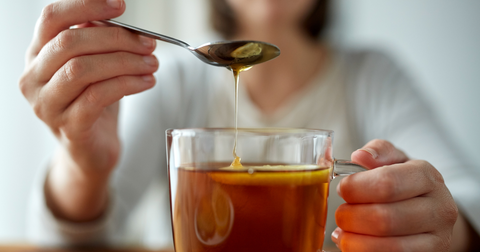
One of the biggest challenges consumers face is distinguishing between real and fake Honey. Unfortunately, some commercial Honey products are mixed with sugar syrups or other fillers to cut costs. But how can you tell if Honey is real or fake? Here are some quick and effective ways to check:
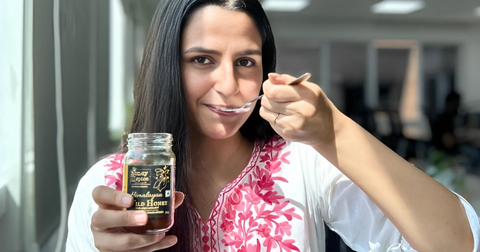
Just one spoonful of Honey is packed with health benefits. Honey contains carbohydrates in the form of glucose and fructose, along with small amounts of essential vitamins, minerals, proteins, and enzymes.

Wild Honey is a natural sweetener bees produce as they collect nectar from wildflowers and plants in their natural environment. This type of Honey is typically gathered by tribal communities or small-scale farmers who use traditional methods of harvesting without disturbing the bees. While cultured honey undergoes a refining process before being bottled. Bees are managed by beekeepers in controlled environments. These bees are often fed sugar water during off-seasons, and the Honey is sometimes processed to ensure longer shelf life.
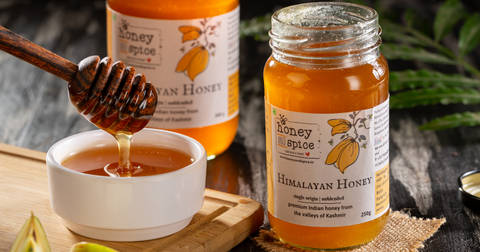
Pure honey is rich in antioxidants. These act like bodyguards, protecting your cells from damage caused by free radicals. Honey has natural sugars that can give you a quick energy boost, without the crash you get from sugary drinks.
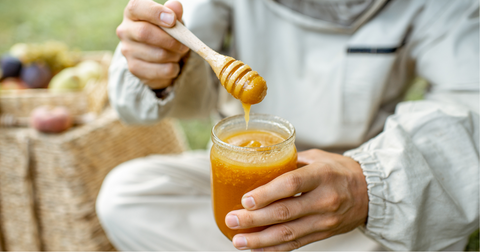
Honey crystallization is a natural process that occurs due to Honey’s unique chemical composition. It is the formation and growth of sugar crystals in a jar of Honey. Crystallization is a natural process and not a sign of adulteration or spoilage. It’s not a sign of spoilage but a normal reaction to honey’s supersaturated sugar solution.
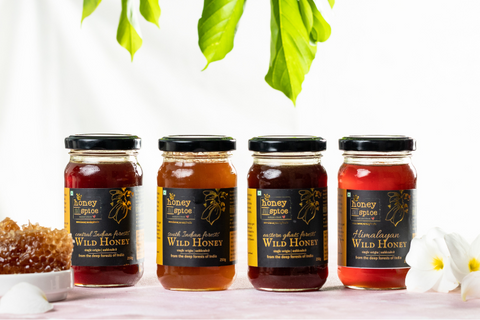
Wild honey is unheated and unpasteurized, retaining all the natural goodness – pollen, propolis (resin bees use to build their hives), and even trace amounts of beeswax. Packed with antioxidants, it protects cells from damage and may help prevent diseases. Bee pollen itself has anti-inflammatory and pain-relieving properties, potentially aiding wound healing and recovery.


