सामग्री पर जाएं

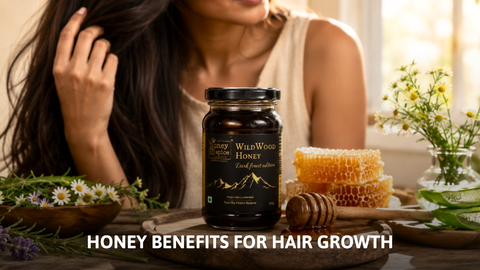
Honey is often celebrated as a pantry staple, but its benefits extend far beyond the kitchen. In the world of natural hair care, honey is hailed as a powerhouse ingredient, prized for its ability to hydrate, strengthen, and revitalise hair from root to tip. If you are looking to promote hair growth and improve the overall health of your scalp, honey may be the natural solution you have been looking for.
Why Honey is Good for Your Hair and Scalp?
Honey is a natural humectant, meaning it draws moisture from the air and traps it within your hair follicles, keeping your locks hydrated, soft, and manageable. Beyond moisture, it offers several critical benefits:
- Promotes Hair Growth: Honey is rich in antioxidants and nutrients that nourish the scalp and stimulate blood circulation to the hair follicles. It is also believed that honey can help "wake up" dormant follicles, potentially promoting stronger, healthier hair growth over time.
- Improves Scalp Health: With its antimicrobial and anti-inflammatory properties, honey helps soothe scalp irritation, reduce dandruff, and ease conditions like eczema or psoriasis. It also effectively cleanses the scalp by removing buildup from dirt, oil, and pollution, ensuring hair follicles remain unclogged.
- Reduces Breakage: By strengthening the hair shaft and restoring elasticity, honey helps prevent brittle hair, split ends, and general breakage.
- Natural Shine & Conditioning: As an emollient, honey smooths the hair cuticle, reflecting light to provide a mirror-like shine.

Why Honey for Hair Growth Works
Honey consists of five important components which makes it perfect for hair growth and here’s how those 5 components work together for better hair growth
1. Antioxidants
- Help protect hair follicles from oxidative stress and environmental damage.
- Support a healthier scalp environment for hair growth.
2. Natural Humectants
- Honey attracts and retains moisture, preventing dry, brittle hair.
- Well-hydrated hair is less prone to breakage and split ends.
3. Amino Acids
- Essential building blocks that help strengthen hair strands.
- Support the structure and resilience of hair.
4. Vitamins & Minerals
- Contains small amounts of nutrients like B vitamins, calcium, potassium, magnesium, and zinc.
- Contribute to overall scalp and hair health.
5. Antimicrobial & Anti-Inflammatory Compounds
- Help keep the scalp clean by combating dandruff-causing microbes.
- Reduce scalp irritation that can interfere with healthy hair growth.
5 Honey Hair Mask Recipes for Growth and Vitality
To reap the benefits without the sticky mess, it is best to dilute honey with carrier oils or other nourishing ingredients. Here are five DIY masks:
1. The Metabolic Tonic (Honey & Olive Oil): Mix 1/2 cup of Acacia honey with 1/4 cup olive oil. Gently warm, apply to damp hair, and leave for 30 minutes to nourish dry, damaged hair.

2. Scalp Cleansing Mask (Honey, Yoghurt & Coconut Oil): Mix 3–4 tbsp of Wild Forest honey, 1/2 cup full-fat yoghurt, and 2 tbsp coconut oil. The protein in yoghurt cleanses while coconut oil softens.

3. Hair Strengthening Mask (Honey, Egg & Coconut Oil): Whisk 1 large egg with 2 tbsp Multi Floral honey and 2 tbsp coconut oil. This protein-packed mask fortifies hair against breakage.

4. Growth Stimulating Mask (Honey, Castor Oil & Rosemary): Mix 2 tbsp raw Jamun honey, 2 tbsp castor oil, and 3–5 drops of rosemary essential oil. Massage into the scalp for 5–7 minutes to stimulate blood flow.

5. Deep Nourishment Mask (Honey, Avocado & Coconut Oil): Mash 1/2 a ripe avocado and mix with 1 tbsp honey and 1 tbsp extra virgin coconut oil. Apply to mid-lengths and ends to repair damage and add gloss.

Pros & Cons of Using Honey for Hair
Pros:
- Deeply Moisturising: Honey is a powerful natural humectant, making it exceptional for hydrating dry, brittle, and frizzy hair.
- Improves Scalp Health: Its natural antibacterial and anti-inflammatory properties help soothe the scalp, combat dandruff, and manage conditions like scalp eczema.
- Nutrient-Rich: Honey is packed with antioxidants, vitamins, and minerals that nourish the follicles and support healthier hair growth.
- Natural Shine: It acts as an emollient that smooths the hair cuticle, helping your hair reflect light for a healthy, glossy appearance.
- Versatile: It blends perfectly with other natural ingredients like oils, yoghurt, and eggs to create customised treatments.
Cons:
- Stickiness: Honey can be quite sticky, making it difficult to apply evenly and sometimes challenging to rinse out completely if not properly diluted.
- Potential Buildup: If the hair is not rinsed thoroughly, any residual honey can create a sticky surface that attracts dust and dirt, leading to buildup.
- Lightening Effect: Because raw honey contains trace amounts of natural enzymes that can produce hydrogen peroxide, frequent use may slightly lighten the colour of your hair over time.
- Not for Infants: Raw honey should never be used on the scalp or consumed by infants under one year old due to the risk of botulism.
- Allergy Risk: As with any natural product, some individuals may experience scalp irritation, so a patch test is always recommended before full application.
Quick Tips for Your Routine:
- Always Use Raw: As a general rule for all 5 recipes, ensure you are using raw honey, not honey that has been "ultra-filtered" or flash-heated, as this process eliminates the very enzymes that make these masks effective.
- Avoid the Heat: Never heat your honey directly. If a recipe calls for warming (like the Olive Oil mask), warm the oil first, then stir in the honey once the oil has cooled to a safe, lukewarm temperature.
- Patch Test: Before applying any new honey-based mask to your entire scalp, perform a small patch test on your inner wrist to ensure you do not have any sensitivities.
Conclusion
Harnessing the natural humectant power of raw honey is an effective way to hydrate, strengthen, and promote healthier hair growth. By combining it with nourishing ingredients in customised masks, you can easily revitalise your scalp and add brilliant shine. While mindful application is necessary to avoid stickiness or minor lightening effects, its nutrient-rich profile is a major asset. Always choose raw, unprocessed honey to ensure your follicles benefit from its full spectrum of enzymes. Used consistently, this simple, ancient remedy is a fantastic addition to any natural hair care routine.
FAQs
Q1. Does honey actually help hair grow?
Yes, honey is rich in antioxidants and nutrients that nourish the scalp and stimulate blood circulation to the hair follicles, which can help promote stronger and healthier hair growth.
Q2. Can I apply raw honey directly to my hair?
It is not recommended to apply raw honey directly because it is very sticky and hard to wash out. It is best to dilute it with carrier oils or other ingredients like yoghurt and coconut oil.
Q3. How long should I leave a honey mask in my hair?
For most DIY honey hair masks, you should leave the mixture in your damp hair for about 30 minutes to allow the nutrients and moisture to deeply penetrate the hair shaft.
Q4. Will using honey lighten my hair colour?
Raw honey contains natural enzymes that produce trace amounts of hydrogen peroxide. Frequent and prolonged use of honey masks may slightly lighten your hair colour over time.
Q5. Can I heat the honey before applying it to my hair?
You should never heat raw honey directly, as extreme heat destroys the beneficial enzymes. If your recipe requires warmth, heat the oils first and stir in the honey once they cool to lukewarm.