 Skip to content

Stories from the Hive
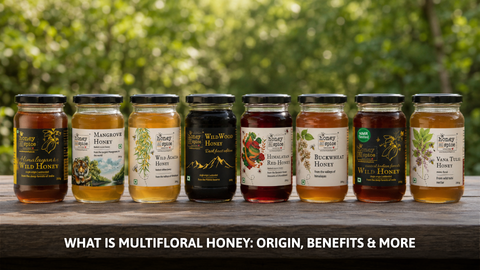
Uncover the secret behind nature's most versatile superfood and its incredible biodiversity. This comprehensive guide breaks down the distinct flavor profiles and nutritional advantages of wild-harvested honey to help you choose the perfect jar for your wellness journey.
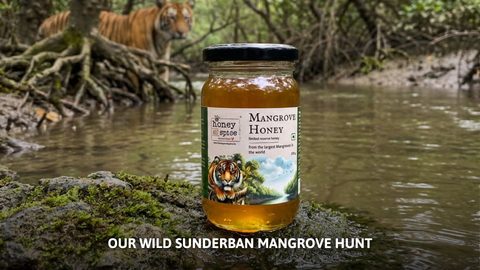
Join us on a thrilling journey to the edge of India as we source some of the world's rarest mangrove honey from the untamed Sunderbans. Discover the incredible biodiversity, local beekeeping traditions, and the distinct floral notes that make this wild honey truly unforgettable.
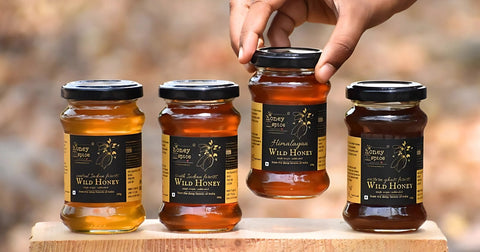
Honey contains antioxidants, enzymes, and vitamins that support immune function, helping the body fight infections and stay healthy. it also a healthier alternative to refined sugar. It offers natural sweetness with added vitamins and minerals. It’s perfect for sweetening teas, smoothies, and desserts while also contributing to better digestion.

Wild Honey is a natural sweetener bees produce as they collect nectar from wildflowers and plants in their natural environment. This type of Honey is typically gathered by tribal communities or small-scale farmers who use traditional methods of harvesting without disturbing the bees. While cultured honey undergoes a refining process before being bottled. Bees are managed by beekeepers in controlled environments. These bees are often fed sugar water during off-seasons, and the Honey is sometimes processed to ensure longer shelf life.
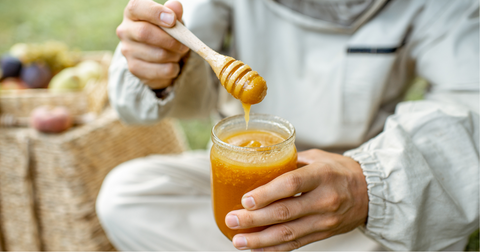
Honey crystallization is a natural process that occurs due to Honey’s unique chemical composition. It is the formation and growth of sugar crystals in a jar of Honey. Crystallization is a natural process and not a sign of adulteration or spoilage. It’s not a sign of spoilage but a normal reaction to honey’s supersaturated sugar solution.

Honey adds a unique touch to sweet and savory dishes, infusing them with its distinctive flavor and natural sweetness. Honey can be both delicious and beneficial to your health! Honey-based drinks taste great and offer various health benefits, from improved digestion to enhanced immunity.


